Featured

Discussion #1

Part 1: 

My name is Carly King, I am currently majoring in creative writing and minoring in marketing. I walked for June’s graduation, so after completing this online course I will have officially graduated! I’m currently located in New Jersey as I try to stay cool in the east coast heat!), and prepare for my sister’s upcoming wedding in Canada, AYE! I have a passion for writing and creating music, and am stoked about this course. 

Part 2: 

a.) The first key feature for an album review is the author or critic’s ability to “show up” on the page. By showing up,  the author is reviewing the album through their own lens. They are being completely subjective. By taking into account not only the album itself but their own personal experiences with it creates a platform for compelling and personal storytelling. Whether their subjectivity to the album makes their review wrong is insignificant. In the words of Rob Sheffield “Just make sure when your wrong you’re wrong on your own terms”

Secondly, in an album review, the author must have knowledge of the social, political and technological landscape that surrounded not only the creation of the album but the music itself. Jim Derogatis, while reviewing Simon and Garfunkle’s Bookends, referred to the advances in music technology and experimental spirit of the ’70s as influences on the blending of the sounds and songs on Bookends. Which was a blend of rerecording versions of already popular Simon and Garfunkle songs and new material?  Powers on Random Access of Memories demonstrated an acute awareness of the political landscape of Daft Punks influences by referring to the key social constructs linked to the disco and funk genres Daft Punk was channeling in songs like “move yourself to dance”. 

Lastly, it is paramount that the author of the review has a founded relationship with the artist and music as well as being versed in the artist past. The author doesn’t need to know every detail about the artist-in-review’s childhood, but rather a solid knowledge of their past works from a musically educated standpoint. For example, in the 2nd & 3rd paragraphs of Trixie Balms review of Go Girl Crazy, she establishes the Dictators essence and demonstrates her knowledge of music.  In the 3rd paragraph, she references the 4-4 Tempo they adhere to throughout the album, which can be heard in the first 60 seconds of the album, during “The Next Big Thing”, in the form of a cowbell. 

b.) In Petrusich review of “Tell Me How You Really Feel” she weaves in details about Courtney Barnett life and background seamlessly to help the reader better understand herself and her music. In the review, as a reader, we learn the key and trivial ingredients that makeup Courtney Barnett, which is also to say her music. From Petrusich, we learn Barnett is an Australian woman with a love for language, she owns her own label, Milk! Records, and is well aware of the “suffocations of the patriarchy”, and is actively concerned with sexism within her industry. She has received a Grammy nomination, but is also responsible for where her morning coffee is coming from, and tending to her garden. She is noteworthy, yet ordinary. In “Tell Me How You Really Feel”, optimistic and empathetic lyrics are carefully laid over garage rock tones and scrappy guitar solos. Relatable, yet completely unique. This type of juxtaposition is the essence of Barnett’s new album. 

Heard It In A Past Life Review
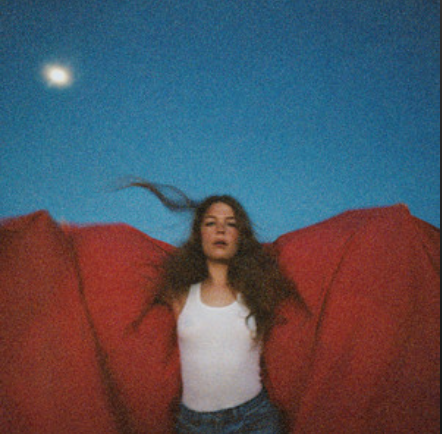
By Carly King

Well aware of its existence, it took me a full 6 months to actually get around to listen to Maggie Rogers debut album. As a singer/songwriter, I felt an acute combination of jealousy and annoyance by Rogers viral rise to fame after having to meet Pharell Williams in a master class at NYU. I wanted nothing to do with her. As a human being, Maggie Rogers is undoubtedly talented, and beautiful. However, as her fame continues to grow like bushes in a once maintained walkway, I can’t help but call bullshit to this hyper-free-spirited pop star I keep seeing ostentatiously dance on my Instagram feed. So once time allowed and my 22nd summer was in full blazing heat, I decided it was my turn to have some skin in the game. 

“Heard It In A Past Life” starts with the overproduced catchy pop hit, Give a Little; a true ode to Pharrell Williams artistry, as anyone with a pulse can dance to it. Immediately, Rogers detaches her sound from the familiar indie-folk song, Alaska, that caught Pharell’s eye. Rogers lyrics in Giving a Little and throughout the album are openly asking her old and new audiences to get to know the newly baked up Maggie Rogers. Lyrically she begins her album by identifying this change… 

I cannot confess I am the same 

she then goes on to overtly reintroduce herself

 You don’t know me, and I don’t know you 

This is still true. Even after listening to this album on repeat, windows down volume up, Maggie Rogers I don’t you! As the album progresses, she attempts to build herself a new identity as I try to connect the dots. Throughout all 12 of Rogers songs on this album she constantly employs the notions of one’s ability to lose, change and become a new version of themselves. As my coming of age story and college career comes to a close, I relate to the questions she probes in her lyrics and answers she conveys through her upbeat optimistic sound. 

However, dynamically in sounds of self-reflection, Maggie Rodgers avoids whether these changes in herself, life, and music are for the better or worse.

I can’t seem to tell if this Maryland born, summer camper, and music student is happy with who she is today or mourning who she once was. Perhaps she is somewhere in between. I know I am. In her least produced songs, Past life, she opens up about the topic with a tremendous vocal range over a crisp piano that leaves us wondering if the old Maggie Rogers will ever return.

Before Pharell Williams waltzed into her production class, she would never have added loops of distorted techno bird calls, like the ones in Overnight. The pre-Pharell Maggie Rogers was a student of the game and a musician first and foremost. The one I see on dancing on festival stages, and morning shows waving a scarf, unfortunately, comes off as a try-hard and facade. 

The lyrics in her top-grossing hit, Light On, support my speculations, quite literally of her being caught up in the fame, and what everyone one else is expecting of this cooked up viral star:

Would you believe me now if I told you I got caught up in a wave?

Almost gave it away

Would you hear me out if I told you I was terrified for days?

Thought I was gonna break

Oh, I couldn’t stop it, tried to slow it all down

Crying in the bathroom, had to figure it out

With everyone around me saying, “You must be so happy now”

Songs like Light On and FallingWater are apart of mine, and many Americans, daily meditations. The dreamy tone of Rodgers voice-over ambiguous filtered instruments not only genuinely makes me feel good but keeps me coming back for more. Heard It In A Past Life,  debuted at number two on the US Billboard 200, and has stayed in the top 10 since. This album is for summer breezy car rides with all the windows down, an in-between conversation of the future. Whether it be political, social,  or personal, society is looking to the future and asking optimistic questions. Rumors of pending Grammy nominations have been circling nearly every tabloid and music blog, however, the overall consensus form veteran critiques is the album is overproduced. 

It seems to me it is not just her music that is becoming overproduced, it’s her life.

A Memo

Dear Reader,

Welcome to the collection of works I’ve been writing during the summer of 2019. My name is Carly King, I am 22 years old and a recent graduate of the University of Denver. I consider myself a songwriter, a musician, a poet, an outdoor enthusiast but to encompass it all, a storyteller. In the following two works, An Evolution on Bahamas & Wherever She Goes, I offer insight into a playlist of one of my favorite bands through a track by track annotation and prove the importance and influence one album could potentially have if and when I’m stranded on an island. I chose to revisit these artists and their music for my final portfolio has a tribute to their common thread. Both artists are currently represented under the same record label Jack Johnsons,  Brushfire Records. 

My portfolio deeply reflects my personal experiences with music. In An Evolution on Bahamas , I speak to the loyalty I’ve had throughout the past 15 years listening to their music, regardless of my stage in life. However, it is in Wherever She Goes, where I truly let the audience in on the most intimate parts of my life, my father. Music for me is so attached to who I am that it is impossible to speak on it without connecting it to my own experiences.

Since I am so personally connected to music and also have a background in it, when approaching music writing I try to do so carefully. Finding the balance between connecting with the audience and telling them is what I’ve always found most difficult as a writer. It was actually Lester Bangs, prose on Van Morrison’s Astral Weeks that inspired me to dig deeper both personality and thematically. Rather than focusing on the balance between telling and connecting, Bangs taught me to focus on the subject, the music, regardless of my balance conviction. Works like his and many other music writers we read during this course will continue to inspire me in the future. 

In nearly every humanities-based class I’ve taken over the past four years at DU,  Professors toy and probe their students with the limits, notions, and questions behind one’s culture. However, although every culture is different and unique in its own way, there is one thing that always makes its way onto a week in the syllabus. Whether it be the Latinx class I took Junior year or the Globalization course Sophomore year, and even the People Places and Landscape class I recall stopping in every now and then as a Freshman, I’ve been taught that music has a place in every culture. Furthermore, in the past few weeks taking this ASEM I’ve come to the understanding that music is not only a part of every culture but is the essence of the culture itself.

The experience gained in this class was beyond useful both professionally, moving forward, and for the soul. It has been a pleasure exposing myself to the written world behind the music. Thank You.

XX

Carly King

Toots Tuition // WP #3

Belly Up Aspen

In line leading into the Belly Up were people ranging from 20-50-year-olds, nearly every race and economic status were accounted for, from dreads to Dolce & Gabbana. I could smell the Mary Jane that clung to almost every person as they approached and waited behind me. It was a cool summer night in Aspen and it was time for Toots. 

We piled into the underground club. The anticipation was tangible. Everywhere I looked I heard wishful whispers “I hope they play look in the mirror”, “You think they’ll  be super old” “ I wonder if he’s as good as was 10 years ago.”  Toots, the leader of his counterparts the Maytals, was now 69 but had been touring on and off for the majority of his career. Knowing this I was no skeptic, their music moves and groves and that’s something I know to be true. Although their charted success surrounds the 60’s growing up with a single mom and a Jamaican housekeeper, I dubbed their music timeless

Fittingly, I purchased a rum and coke and headed to the center of the GA. Three feet away from the microphone. One by my one the Maytals came out, the crowd hollered and the bass and kick drum quickly followed. They began with their biggest hit, or at least most streamed, Pressure Drop, as if to mock us saying here’s what you came for but here’s why you’ll stay. The scene was set OJ drummer and lead guitarist  Paul Douglas, and Carl Harvey, in between contemporaries, a keyboardist and two stunning Caribbean back- up singers. They played through the classic reggae riff two times until the MC announced the lead man. Toots, came running onto the stage wearing what seemed like a rattlesnake leather jacket and pants with red detailing, a durag and chunky black Oakley shades. Was I caught off guard by his appearance? Yes. Was I bit apprehensive in singing along with him during the first few repetitions of Pressure Drop? Yes. But did I then start dancing, and by 5 minutes into it do a 180 and realized I needed to somehow emulate this swagy icon? Also YES! 

As the show went on I’m proud to say I sang along to every word. They were captivating. I had no need to get another drink or check my phone. Simply, because their music was spotless, stimulating, and most of all a clear established shared experience among the band. The way they wondered into song from song highlighted their biphonic continuity. The attention to the sudden hits and ska solos was evidence of their history and connection. Although divided in nature, Toots clearly being the frontman, they performed as one. There was no Toots, and the Maytals, and the newer members, there was just one entity, one sound; Reggae.

Before playing 54-56, Toots removed his glasses transforming him suddenly into a wise old man. The music stopped and he began to talk in his thick uplifting Jamaican accent. He spoke about his time in Jamaica, the level of poverty which he, the Maytals, and songs all came from. Nearly tearing up while contrasting it to the level of fame and fortune they now all revel in. Before the audience had the chance to get sentimental over the pride that was in the room, he belted “Give it Up Mister”  and we replied “Yeah.” The energy thereafter was explosive

It was as if the legends of reggae had made Belly Up their classroom, teaching us Reggae, lecturing our souls about movement. Head bopping, hips swinging soul shining reggae. I left the concert on a high, that lasted for days.

An Evolution on Bahamas

In today’s world where the music you listen to is a result of a 15% talent and 85% marketing strategy, it’s becoming increasingly  hard to differentiate yourself and gain traction among audiences. However with next to no press the indie folk rock phenomenon Bahamas, arguable both an artist and a band, has made something quite unique of their music in the past ten years. I am pleased to be writing this as a proud listener since the beginning of what can be only defined as true artistry.

Effie Jurvanen, who claims the stage name Bahamas, gives joy and solace to nearly 2.2 million monthly listeners on Spotify. To put that figure in context, Bahamas’s streams easily outnumbers those of underground press stars like the War on Drugs (2 million average listeners), and St. Vincent (1.4 million) who both appear on stages of high end music festivals like Coachella and Bonnaroo, year after year. However, even with his loyal audiences and authentic sound, Bahamas has not drawn in the fame of artists with similar popularity. Mainly, because Effie Jurvanen is simply and honestly unconcerned with fame. Since deciding to pursue his  music in the early 2000 Effie has prioritized his artistry above all else. Bahamas sound is not only authentically crafted, but genuinely reflective of his own values, experiences and his place in time and within the industry.

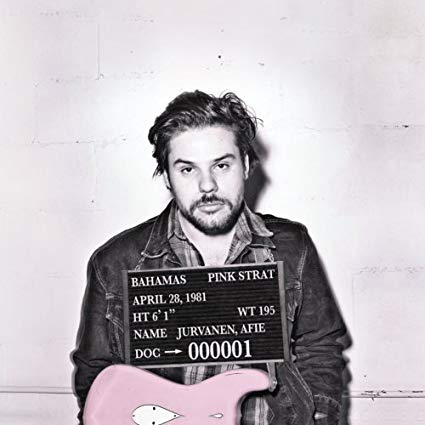
In the past 10 years I’ve played his songs on repeat, deciphering and analyzing them, like a kid curiously looking out the backseat window of a car as Bahamas music developed and grew like mountains on my horizon. Bahamas sings my lullabies, my jams, my grooves and my ballads. His music has inspired me and many people, to never let go of the framework that makes up who you are, regardless of what everyone else is doing. He inspires me to keep pursuing my passions. My romance with Bahamas began when I was only 13 with bruised knees, acne and an Ipod mini, he was a young Canadian skater, with a pink strat, some recording equipment, a cabin in Ontario and a broken heart. Now I’ve come of age and he is a father of two. Our discrepancies are greater than ever but his sound and music still hold dear.

Lonley Loves

After spending the winter of 2008 in northern Ontario recording and producing his debut album, Pink Strat, Efie Juravan decided his stage name would be Bahamas. Crispy strumming, mellow vocals, beachy harmonies and twangy solos is Bahamas bread and butter. So it’s no surprise that he chose this as the first song on his debut album, as it establishes his folk characteristics and foreshadows their prevalence in his work to come. Although this song gained little recognition during its release, listening to it now, four albums later, It’s not hard to hear Bahamas carefully laying down the framework of what would soon be his career. 

Lost In the Light

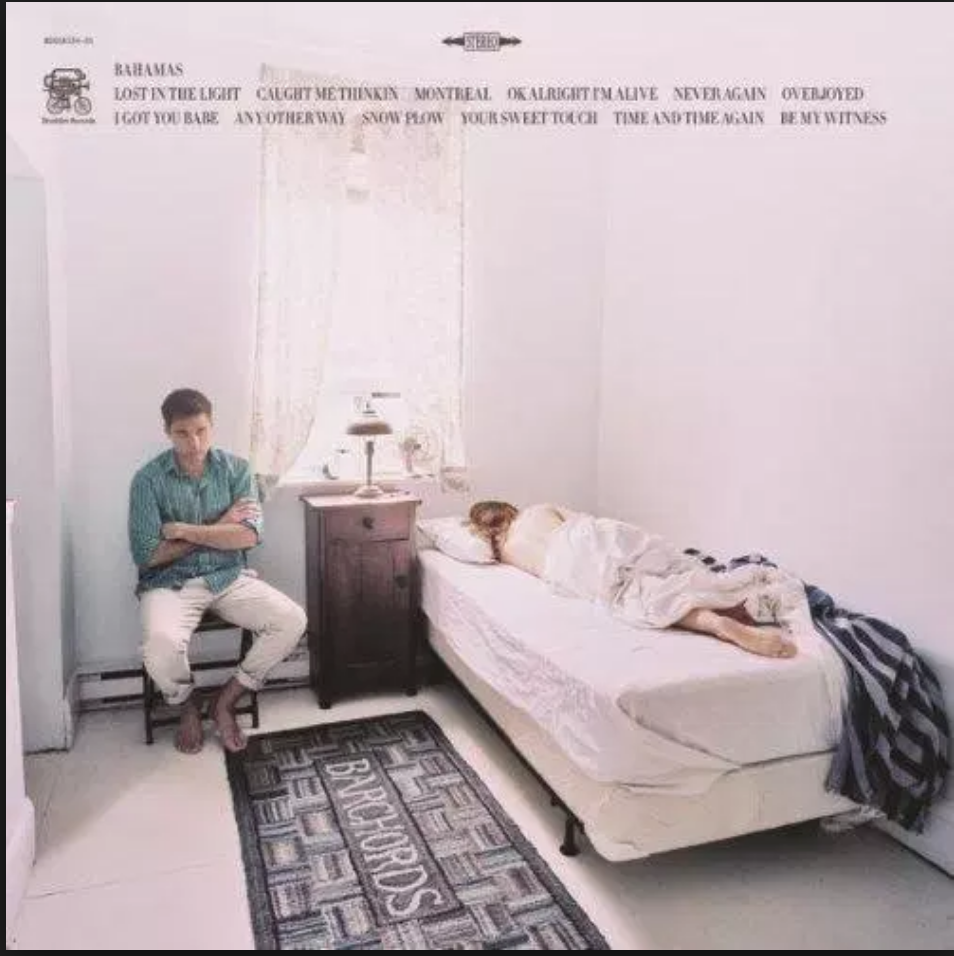
Questionable one of Bahamas most recognized song, “Lost in the Light” speaks to Bahamas ability to comfort the broken hearted. This song is best heard if listened to when all you want is an optimistic sulk. Throughout Bahamas 2nd album, Barchords, long strums and simple riffs give well deserved space to his honest lyrics: 

“This Life is Long and it wouldn’t be wrong leaving me here on my own”

Your Sweet Touch

In Barchord fashion, this song starts off similarly to “Lost in the Light”, in a mellow optimistic sulk.  “Tell me what to say, to make it go away, and I’ll do that, dear” However the drop of the bass drum and snare after the first verse picks up the tempo and you can’t help but dub Bahamas a soul. I’ve listened to this song crying, dancing and pretty much everywhere in between. Thanks to Bahamas seamless ability to contrast moods and genres the listener can experience it in a multitude of ways. 

Waves

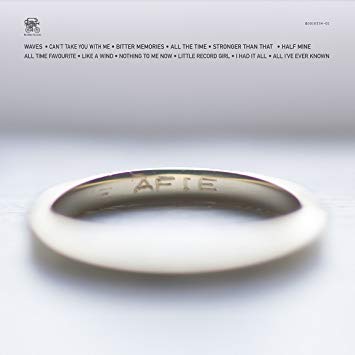
In his 2014 album, Bahamas is Efie, Bahamas picks up right where he left off in Barchords. However now employing means of seduction, in Waves” his strums swiftly bounce back and forth in the speakers evoking the anticipation of audiences over the previous two years. Waves introduces Bahamas more seasoned sound. At this point in his career he has been on tour and opened with artist like the Lumineers and (his boss) Jack Johnson.  

Like the Wind

When asked about this song in an interview with Australian magazine, Music Feels, Efie from Bahamas said, “It’s the opposite of a single, its slow, its sad, maybe it’s boring. So I’m surprised people like it”  “Like the Wind” is rooted in a slow picking pattern and riffs that run parallel to Bahamas melodic vocals and harmonies. Comparing love to the fleeting feeling of the wind, is not only historically beautiful but also relatable to his most favored audiences; the daydreamers & the broken hearted.This song contains my single most favorite lyric. However I can’t disclose why. Perhaps, it’s its honesty that brings me in, or maybe it’s the acapella approach that gives it a certain effect. Either way when I stood in Denver’s intimate bluebird theater and watched him sing this lyric, I wasn’t alone singing at the top of my lungs.


“Now your eyes are open when were kissing, Forever wonder what you might be missing” 

All the Time 

Bahamas most charted, noted and rewarded song. It’s rumored that Ben Stiller loved this song so much that when directing “The Secret Life of Walter Mitty” he personally asked Bahamas to write a song for the movie. Bahamas denied writing a new song, but happily accepted covering The Human League’s classic hit “Don’t you want me”. All the Time‘s long annunciation on each word in the intro and chorus over rung out bar chords, lures the audience to answer the question Bahamas proposes. YAS! Bahamas we want some of it. In fact scratch that we want it all.

“I got all the time in the world,

Don’t you want some of it?”

Little Record Girl

If everyone could please go grab your cowboy boots and flare jeans!! This song is a clever Canadian boys tribute to his southern folk and rock influence! Complete with banjo picking, (what seem to be ) cheating women troupes and “Oh Oh Oh Oh Ohs!” Actually this song is not even about a girl, it’s about a record. So listen carefully to Bahamas take on personifying inanimate objects. God I love when artists do that. 

Opening Act

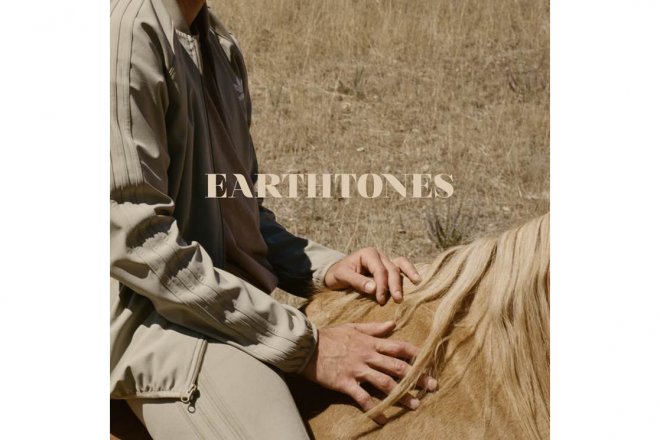
In his most recent album, EarthTones, Bahamas debuts not only his new female singer, but also his new groovy 70’s RnB sound. In an instagram video a few weeks ago, Efie posted a video of him with his two toddlers on a porch bench licking popisicles and singing the chorus to this song. Its clear that songs from the now father and husband, Bahamas will now be Family friendly, but make it funk! They sat and sang “Shooby Dooby”, and the Bahamas from 2008 recording songs for sulking in a cabin was nowhere to be seen. 

Bad Boys Need Love Too

If I had heard it two years ago I would never have thought it was form Bahamas. Bahamas’s boss, or more appropriately, the owner of the label he’s on BrushFire Records, Jack Johnson attributes a lot of his inspiration from his children so it wouldn’t surprise me if the newly family man, Bahamas came up with this over a fatherly moment or a temper tantrum. Sometimes all you need to know is the name of the song to listen to it. This is one of those songs.

So Free

8 minutes, and no one is complaining. If it wasn’t for the newest band member, Canadian female singer, absolutely slaying the harmonies on this song, it could have realistically been on any one of his four albums.

Bahamas latest album is a true time piece for Bahamas, and ode to Effie Juravans talented arch as an artist. Instead of growing and developing as an artist and person and never looking back, Bahamas is aware of how he has changed musically and thematically, and indulges in the opportunity to celebrate it. Speaking to his previous lovers to singing about his children, his fans continue to stay loyal. Like his fans loyalty, Bahamas is loyal to his evolution.

Wherever She Goes

My introduction to Brushfire Fairytales is nothing short of real spirit work.

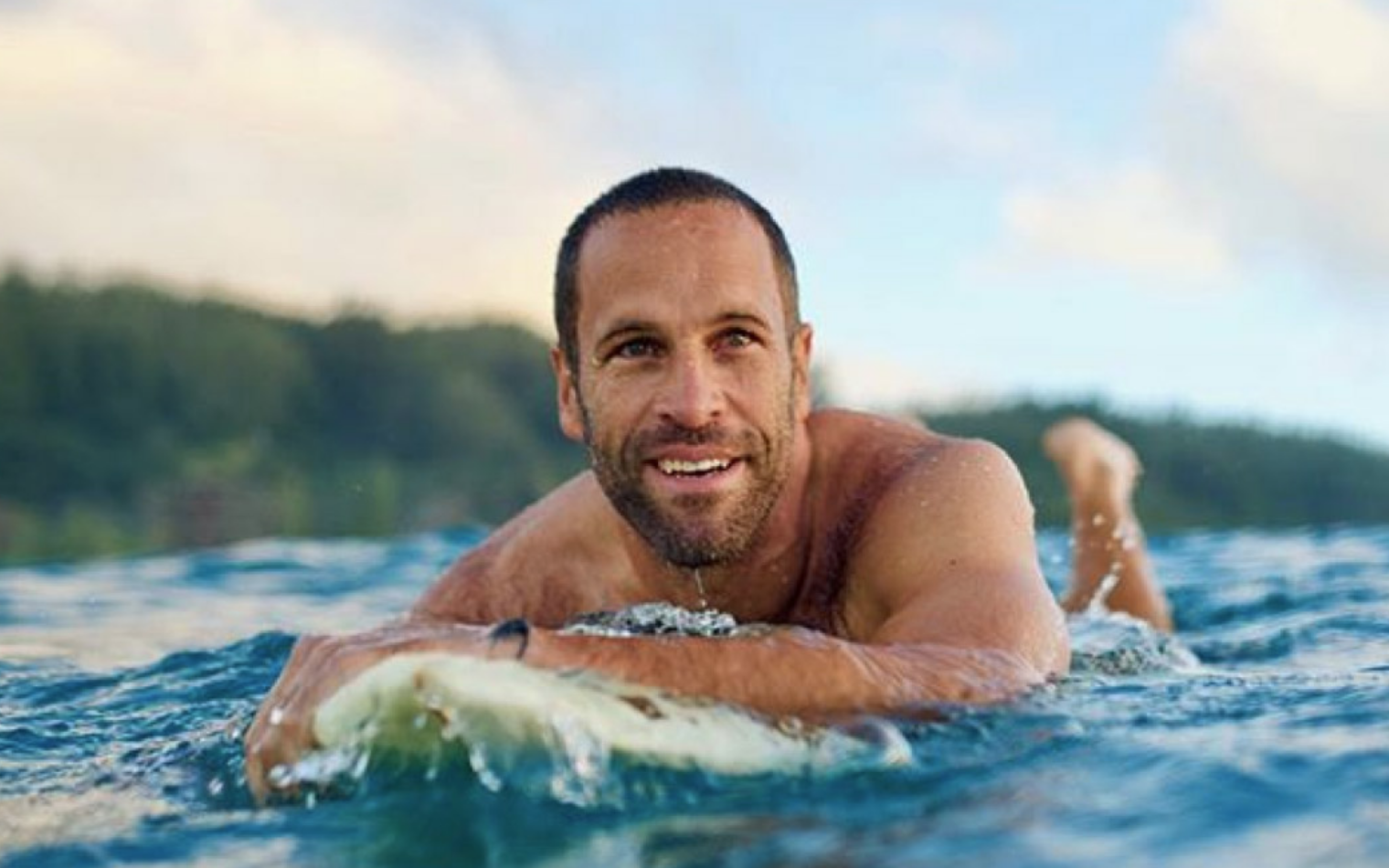
Ever since I was 5 years old I’ve been hushed to sleep by the lullabies of Jack Johnson. The songwriting surfer man from the North Shore of Hawaii has consistently altered the way I think and feel. Casually guiding my decisions like the inviting glow of a lighthouse on the water and the land is dark.

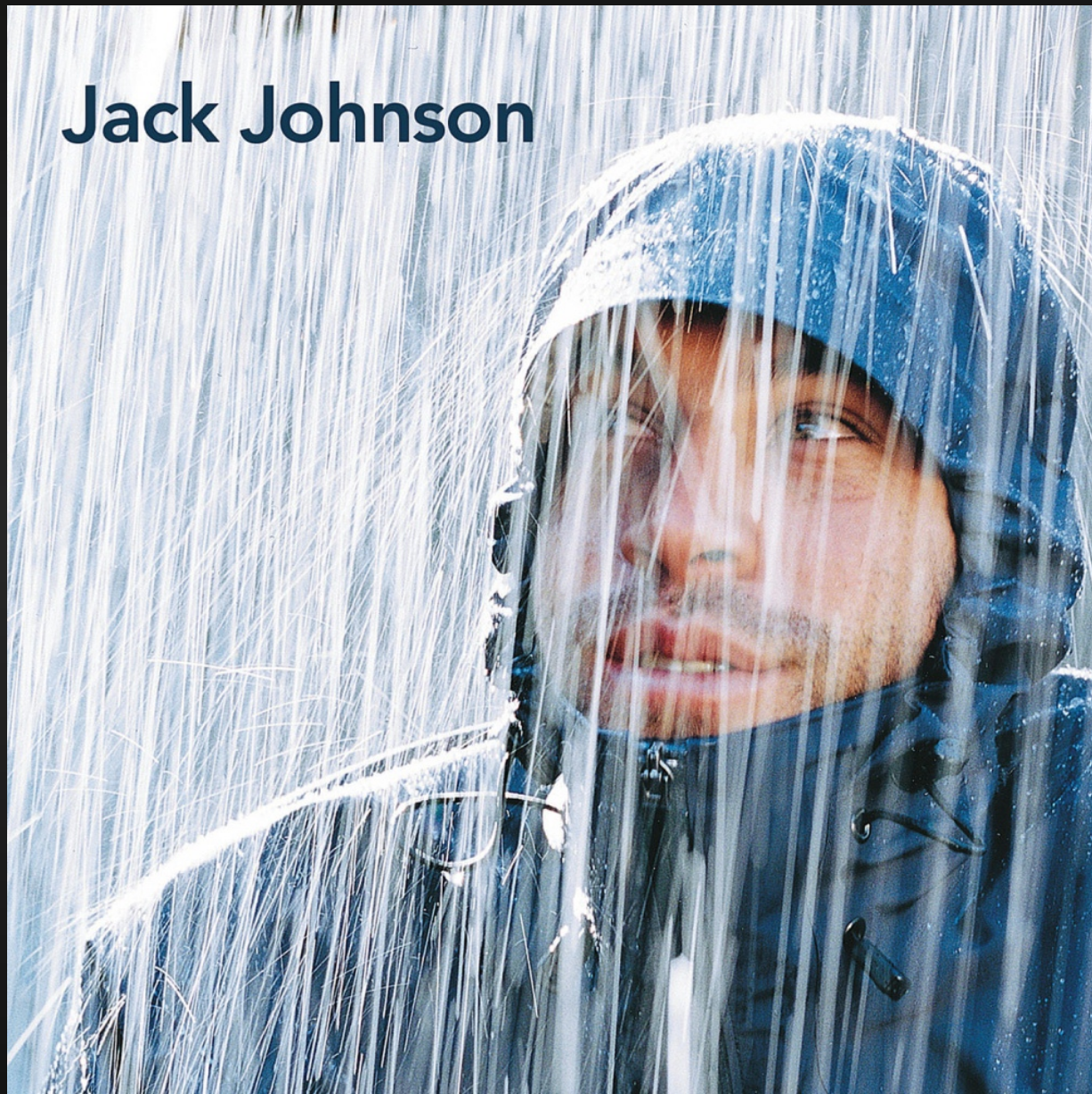
On September 11th 2001, my father was taken from us. I was only five years old at the time and the terror of that day in the city that never sleeps decided to keep us all awake, night after night. Sleep or lack thereof became a huge concern in my fragmented home. In order to hush the tears of my family, friends, and myself, we turned to Brushfire Fairytales, a record my father had bought only days prior. We found it one night cleaning out his car on the passenger seat. It was and is the most valuable article to every been found in one of those miniature blue plastic bodega bags. My mom, half of what she once was, would pop the CD out of its cover. Stuck in a navy rain jacket under a torrential downpour with a five o’clock shadow hiding a half baked grin; Jack Johnson knew what we were going through and how we were going to get out. Every night for two years that album would sound and I could sleep.

At the age of 7 In between Dreams, Jack Johnson’s 2nd album, was given to me along with a CD player as a farewell gift from my family before my first time away from home. Off to summer camp for 4 weeks with only two CDs, I went. I was amid the pines of New Hampshire, and although I fell hard over what would later be an album of classics like, Better Together, Banana Pancakes, and Sitting, Waiting Wishing. At night, when the rain would fall on the tin roof, as it often does during New Hampshire summers, my mind would stray to towers, terror, and fear my 7-year-old self turned to Brushfire Fairytales, the album that could solace me to sleep

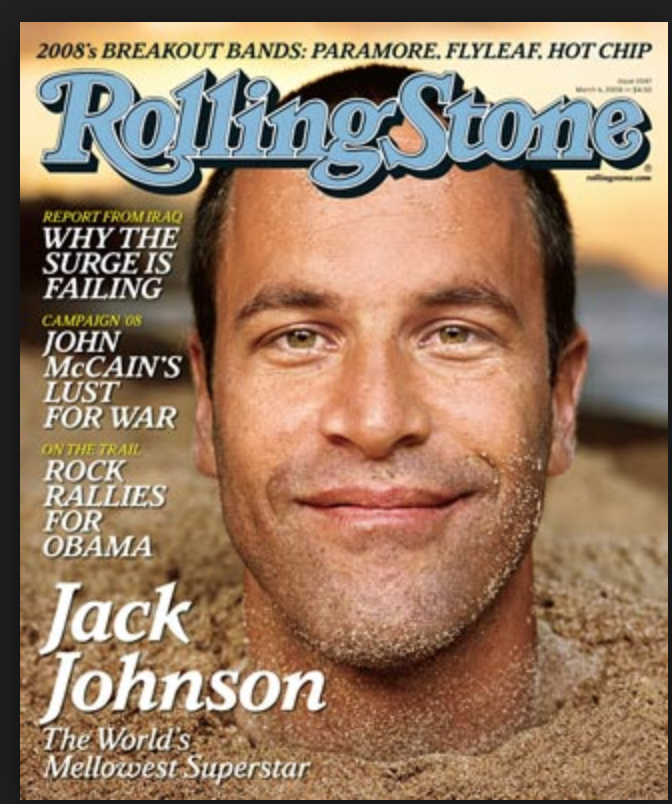
The Brushfire Fairy Tales hit, Bubble Toes, gave Johnson the support and push he needed to go onto writing two more albums and ultimately dubbed “The Worlds Mellowest Superstar” by Rolling Stones in 2008. The fans, like myself, who had been with him since 2001 rejoiced in his well-deserved seven years in the making recognition. Which resulted in an announcement of a world tour. Although I still have yet to see him live, (shocking I know) I can recall spending countless hours perusing youtube for live footage of this international “mellow superstars” world tour. To my surprise, his Parisian audience proved to be the most enthusiastic prompting one of his most-streamed tracks the mash-up to Belle and Banana Pancakes, on his live album En Concert. In this song you find a sexy Johnson singing intimately in french and Spanish, nothing short of swooning.

The Intimate simplistic melodies from Brushfire Fairytales laid the groundwork for the sex appeal and creativity he developed in later albums like En Concert. The News, for instance, is stripped down and escorted in by a simple fingerpicking pattern and melodic dreamy vocals still can come across my nightly mediation. I convince myself it was written for me and those affected by 9/11, as if he was calming us down from it all, months before it even happened. Foreshadowing, in its most tranquil form.

“A billion people died on the news tonight
but not so many cried at the terrible sight
well mama said, “it’s just make believe,
you can’t believe everything you see
so baby, close your eyes to the lullabies
on the news tonight”

The weight of these lyrics is intentional and timelessly relevant.

The track that follows, The News, tends to dry the probable tears that usually develop, acting as a well-deserved foot-tapping juxtaposition to the album. When I think of  Drink the Water I think of an off-roading upbeat ride, or maybe that’s just where I am when I’m listening to it. So, if you’re now imagining me in my pickup with a shit grin off-roading with some gal pals in summit county, think again. We’re both wrong. This song is actually about a life-altering surf injury Johnson suffered in the ’90s after getting smashed under a massive wave while attempting one of the most infamous breaks in the world, Pipeline. Although the music is poppy and fun, the lyrics tell a much different story.

Hold on if you can
You’re gonna sink faster
Than you can imagine, so hold
Hold on if you can
You’re gonna sink faster
Than you can imagine, so hold on”

Jack Johnson ended up in a coma for a few days and suffered severe injuries to his ribs and face. It was at that moment where he decided to quit his pursuit of surfing and follow his long-time passion for music and film making. Although he quit surfing, his “class” or group of friends he surfed with daily went on to become household names; Kelly Slater, Rob Machado & Pat O’Connell to name a few. In true Jack Johnson style, he took his suffering and pain and turned it into positive energy in the form of a song. Taking in the negative and pushing out the positive is Johnson’s M.O.

It only takes a few moments to alter your life, Johnson and I both know that. But perhaps for Johnson it’s more like three minutes. Nearly every song on this album (and throughout his whole discography) lives somewhere around the three-minute mark, leaving me to believe as a storyteller and songwriter there is a power in those three minutes. Nearly every three-minute article on Brushfire Fairytales can be pinned to one point in my life, like a footnote informing the reader of whatever Jack Johnson judgement applied and why.

The piano keys rocking back and forth from the left to right speaker on the final track of his album, It’s all Understood, guided me to make the decision to leave the east coast and everything I knew to come to Denver to pursue my two loves music and mountains.


Furthermore, it was Ben Harper’s guitar slides and Tommy Jordan’s steel drums featured on Flake, that I blared driving solo with all my belongings from New Jersey to Denver the summer before my Freshman year of college.

Skip to 2:50 to hear Ben Harper slide!

In an attempt to hush the cacophonies of coming of age, I sang the harmonizes to the breaks at the top of my lungs repeating his ambiguous lyrics without thinking. Tapping my steering wheel as the crescendos hit towards the end…

“Just by a tree down by the water Baby I shall not move after all those silly things you do”

I am carefree with Brushfire Fairytales when its my side.

So if I was stranded on an island with only one album, it would need to be comforting, so I could contemplate. “What the hell am I doing here?” After contemplation, I would need this same album to dance, cry,  fall in love with and be able to pull my fear out. Because there’s no way fear isn’t following my sandy bum to this metaphorical island. 

Brushfire Fairytales is more than just an album, it’s a lens. I wear to see the world and all its circumstances more beautifully. They have never failed me so I have opted to never take them off. 

“Its as common as something that nobody knows her beauty will follow where ever she goes “ (Bubble Toes)

Who is Carly?

Carly King is a 22-year-old creative singer/songwriter from Princeton, New Jersey and recent graduate from the University of Denver, where she majored in English and minored in Marketing and Jazz Guitar. 

Carly’s passion for music has taken form in her songwriter, singing and most notably, performing. Her flair and authenticity are manifested in her unique stage presence. Her knack for arranging cross overs, specifically turning hip hop and R&B classics into her own, make her relatable to a variety of audiences. Carly has inherent insights into the dynamic between artist and audience. So whether performing an original song or a cover she creates a memorable experience.

Before graduating, Carly used her Marketing minor to undertake in an independent study to leverage her existing social media communities to promote her new music project; her band “Carly and the Kings”. Carly and the Kings are a trio that focuses on performing Carly’s original music, as well as popular and unexpected covers around Denver.   

 In Colorado, Carly has found immense inspiration for her work in the beauty of the rocky mountains. Her original music contains natural imagery, inviting intimacy, and a whole lot of soul. When she isn’t playing or writing music, Carly practices yoga, snowboarding, and enjoys traveling and spending time with her family and friends. 

Design a site like this with WordPress.com
Get started